Saltwater spills
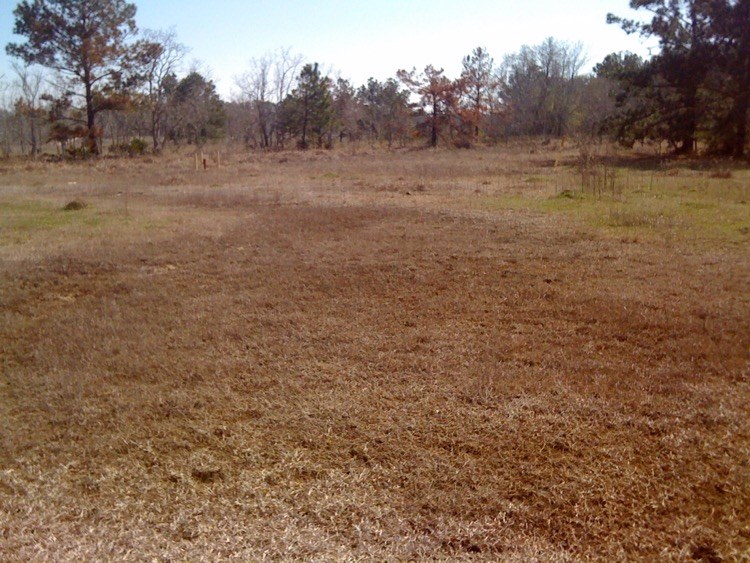
Salt doesn’t wash out. Sodium binds to the clay and seals the soil. NaClean swaps that sodium for soluble calcium and stabilized ammonium, ESP drops, and the ground drains and grows again, typically within 4 to 9 months.
We treat produced water and crude oil right where they spilled, in days or months, not years, for a fraction of what dig and haul costs.
Estimated cost per acre, by when treatment starts.
Salt doesn’t wash out. Sodium binds to the clay and seals the soil. NaClean swaps that sodium for soluble calcium and stabilized ammonium, ESP drops, and the ground drains and grows again, typically within 4 to 9 months.
HC Max binds crude and condensate into micelles that native soil microbes consume, bringing TPH under state cleanup levels without excavation. Most tank-battery sites look clean the same day. Remedi-Zorb handles the small spills.
Start with a free site assessment. From there, buy product with dosing support for your crew, or have us run the job to closure.
Send the spill type, age and rough size. We review it, call you, and come back with a plan and an estimate.
Your crew applies it. We calculate the dose from the spill size and age, and stay on the phone through the job.

BeforeAfterTreated in place in a working cow pasture. The other quote was dig and haul at $175 per cubic yard. Grass was back in 4 months.
Three ponds 5 to 6 feet deep, visibly clean the same day with no sheen, smell or free oil. The $382,000 was the dig-and-haul quote.
Bare and sodic to tall grass in 6 months.
A legacy site, fully grassed 9 months after treatment.
Two weeks, for $1,200.
Four products, shipped nationwide, with dosing support from the people who developed them.
Liquid calcium and stabilized ammonium. Pulls sodium off the clay and feeds regrowth.
Details →Surfactant with humic and fulvic acids. Drives treatment deeper, faster.
Details →Surfactant blend that binds oil so native microbes can break it down.
Details →Mineral absorbent sold by the pallet. Stays in the soil, no pickup.
Details →Tell us what spilled, when, and roughly how big. That's enough for us to start.